What is Scoliosis in Children? A Parent’s Guide to Understanding
When you hear the word scoliosis, especially in relation to your child, it’s natural to feel worried. You likely have many questions, and that’s okay.
So, what is it? Put simply, scoliosis is a condition where a child’s spine curves sideways. It’s not something they can fix with posture. It often appears during their growth spurt. For most children, it’s a very manageable condition.
The Most Common Type: Idiopathic Scoliosis
The most common form of scoliosis in children is called idiopathic scoliosis. “Idiopathic” is just a medical term for “we don’t know why.” This type most often shows up around puberty.
There are many myths about what causes it. We want you to know it’s not caused by a heavy backpack, bad posture, or playing sports. It’s nothing you did wrong. The cause is unknown, though we believe it can run in families.
What to Look For
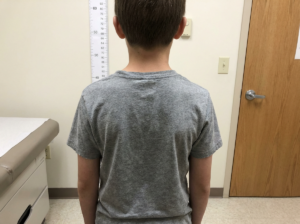
Scoliosis can be subtle at first. That’s why it’s often found during school screenings or a routine check-up. Here are some things to look for:
- One shoulder or shoulder blade looks higher than the other.
- One hip appears more prominent.
- The head seems a little off-center from the body.
- When your child bends forward, one side of the back looks higher than the other.
How We Manage It
The good news is that we have a very clear process for managing it.
- Observation: For a small curve, we usually just watch it closely. We might have your child come in for a check-up every few months to make sure the curve isn’t getting bigger.
- Bracing: If a curve is getting worse, a brace can be a great tool. It doesn’t fix the curve, but it helps stop it from getting worse as your child grows.
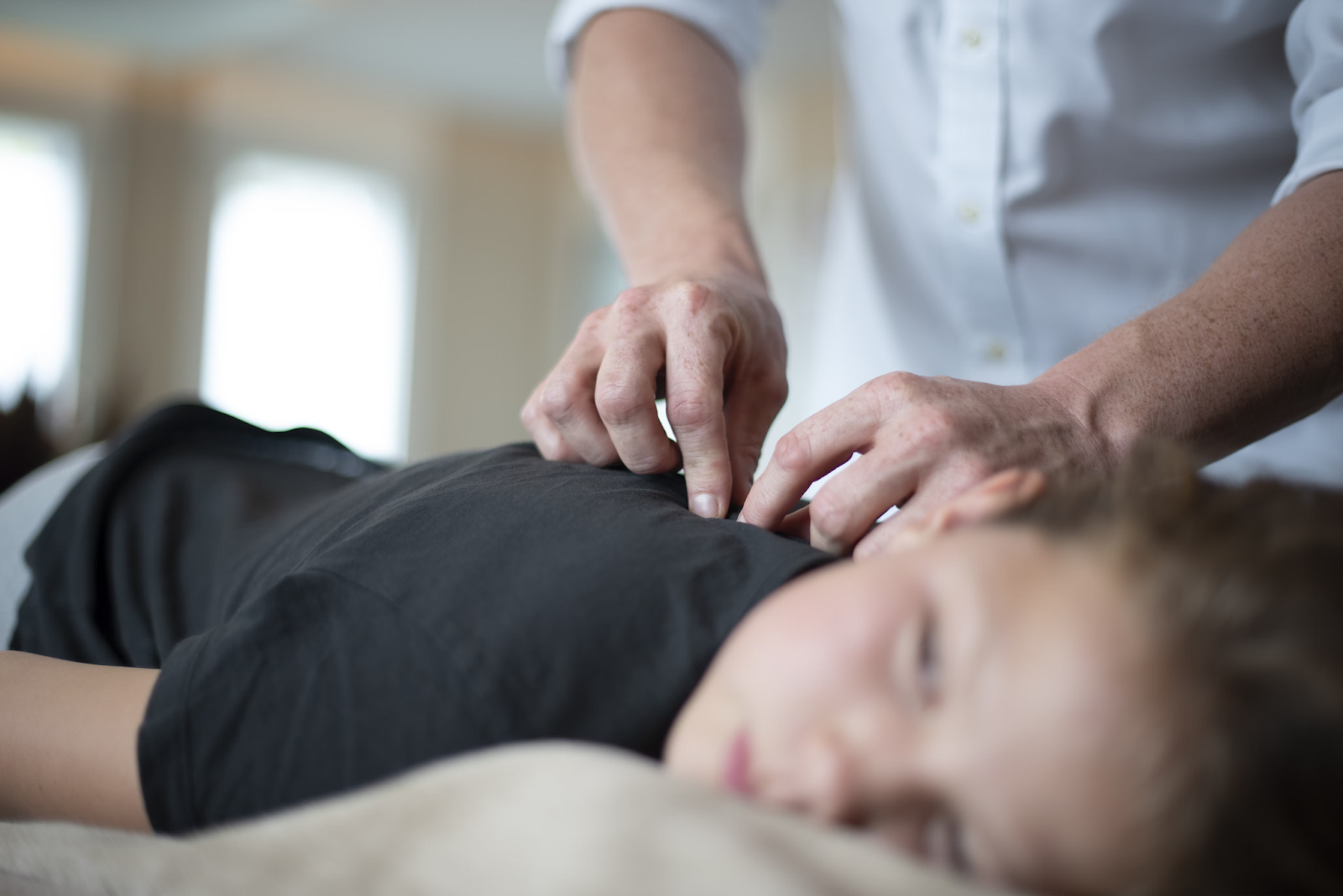
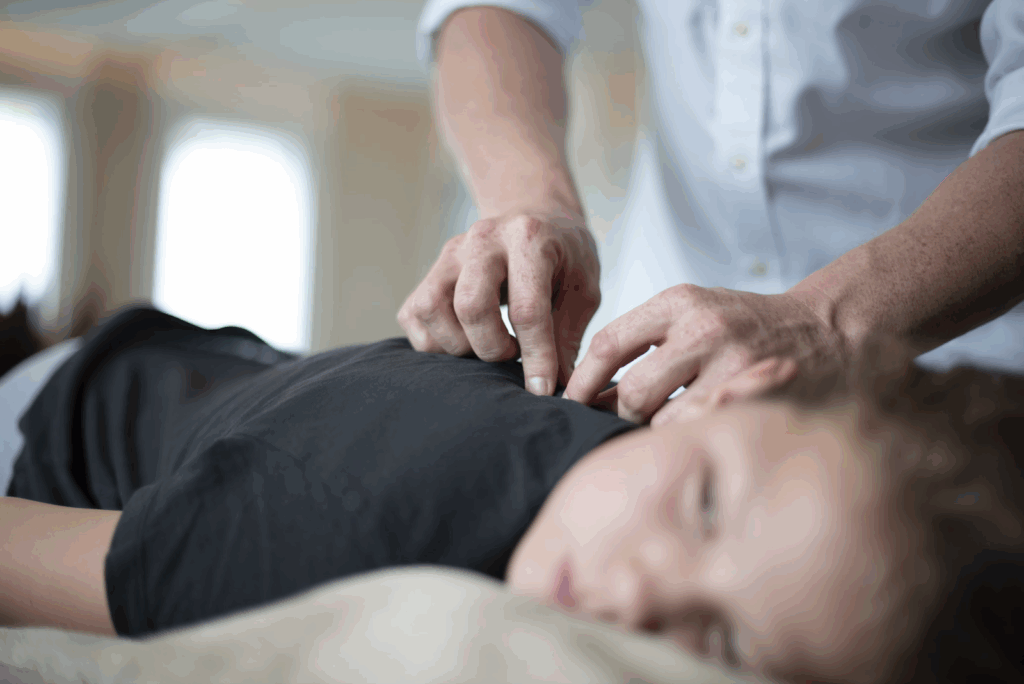
- Physical Therapy: This is a key part of our approach. We teach your child specific exercises. These exercises strengthen the muscles that support their spine. This helps improve their posture and stability.
Physical therapy is a safe, effective way to manage the condition. It also empowers your child to take an active role in their own health.
Ready for a Consultation?
If you have any concerns about your child’s posture or suspect they might have scoliosis, we would be happy to see you. Early detection is important. We can provide a clear assessment and a personalized plan just for them.
You don’t have to guess. Schedule a consultation with us today.