At What Age Is Scoliosis Most Commonly Diagnosed?
When you or your child are diagnosed with scoliosis, a key part of the conversation is understanding when the curve developed. While it can occur at any age, there is a specific period when we are most vigilant and when it is most commonly diagnosed.
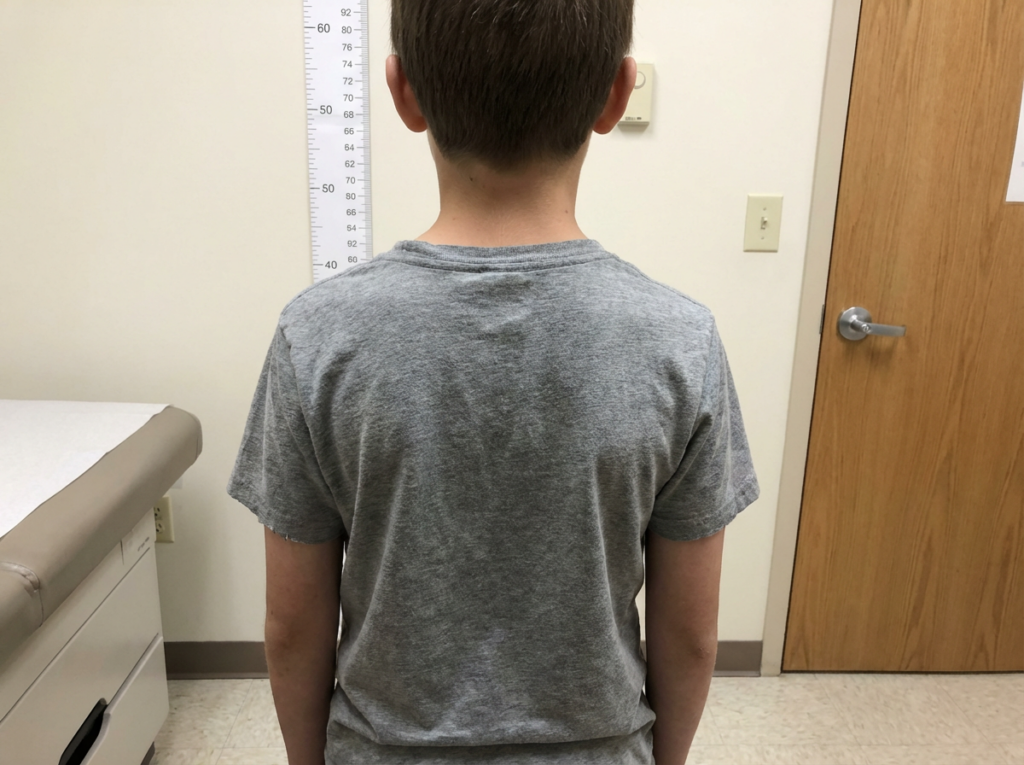
Scoliosis is most often found during the rapid growth period known as the adolescent growth spurt. This intense period of growth is the primary driver of curve progression.
The Adolescent Growth Spurt: The Critical Window
Most cases of idiopathic scoliosis (scoliosis with no known cause) are found between the ages of 10 and 14. These years are when children experience their biggest, fastest growth spurts.
- Girls: Are typically screened slightly earlier, often around ages 10 and 12. Girls are significantly more likely than boys to have a mild curve that progresses to the point of needing treatment, such as bracing or physical therapy.
- Boys: Are typically screened around age 12 or 13.
Why Growth Matters So Much
The growth plates in the spine are extremely active during these years. The rapid vertical lengthening of the spine can cause a small curve to become significantly larger in a very short amount of time. If a child has a 20-degree curve, and then grows three inches over the summer, that curve can jump dramatically.
That is why consistent monitoring during these years is so crucial. Early intervention with bracing or specialized physical therapy can help slow or stop this rapid progression. Once skeletal maturity is reached (when growth stops), the risk of a curve worsening sharply declines.
Other Ages to Be Aware Of
While adolescence is the key time frame, we do see scoliosis at other ages, too, each with different implications:
- Infantile Scoliosis (Ages 0-3): This is rare and often linked to congenital issues (a bone problem from birth). Some small curves may resolve on their own, but others require early intervention like casting or specialized treatment.
- Juvenile Scoliosis (Ages 4-9): Also less common, but a curve detected this early has a much higher risk of progression. This is simply because the child has many years of growth remaining. Close monitoring and proactive physical therapy are immediately necessary.
- Adults (Ages 50+): This is known as degenerative scoliosis. It is caused by the natural wear and tear on the spine over decades—arthritis, disc shrinkage, and joint breakdown. This type often causes new-onset back pain, stiffness, and balance problems, rather than being an issue of progression.
The PT Perspective on Age
No matter the age, our approach is focused on function and stability.
If you have a child going through a growth spurt, stay vigilant with screenings. Our focus is on specialized physical therapy to build stability and posture.
If you are an adult dealing with new back pain, it could be a degenerative curve. We focus on low-impact strengthening and pain management to restore comfort and function.
We provide accurate assessments and personalized physical therapy plans for all ages. Schedule your consultation at our scoliosis clinic in West LA today.