What is Scoliosis? Your Guide to Understanding the Basics
You may have heard the term “scoliosis,” but you might not know exactly what it is. In simple terms, scoliosis is a condition that causes the spine to curve to the side. It’s a surprisingly common condition, and for most people, it’s very manageable.
Understanding the basics of scoliosis can help you feel more informed and prepared if you or someone you know receives this diagnosis.
What a Scoliotic Spine Looks Like
Normally, a healthy spine has natural curves that go from front to back. When viewed from the side, it looks like a soft “S.” When viewed from behind, a healthy spine should look like a straight line.
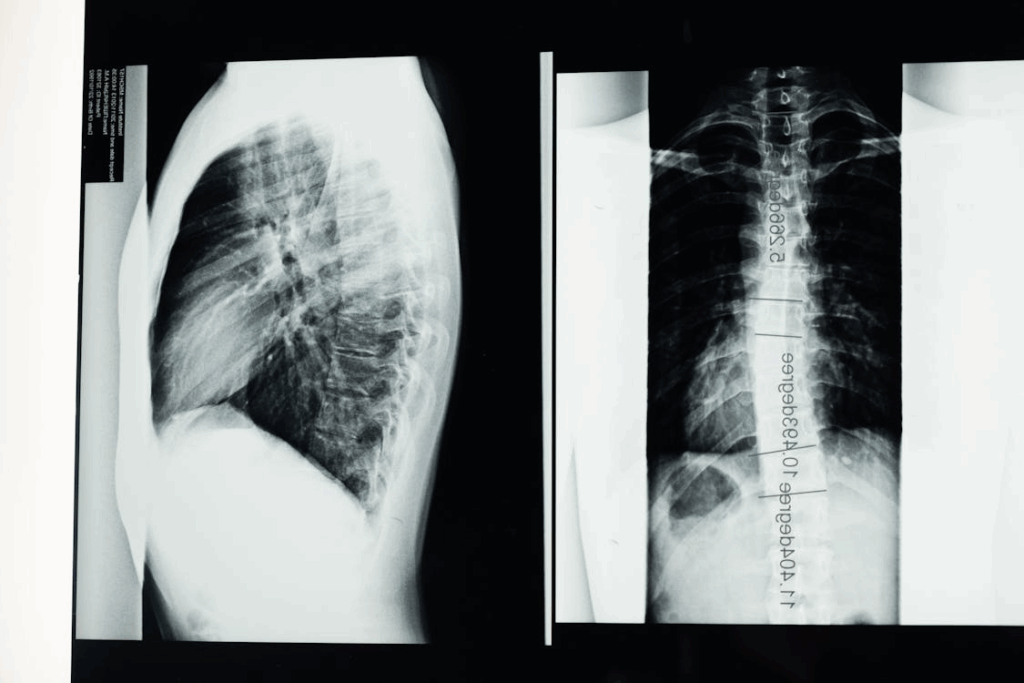
Scoliosis changes this. It adds a sideways curve to the spine, so it looks more like an “S” or “C” shape when viewed from the back. This condition is also three-dimensional. The spine often twists and rotates, which can cause the ribs or muscles to be uneven.
Types of Scoliosis
While scoliosis means a curved spine, there are a few different types.
- Idiopathic Scoliosis: This is the most common type, making up about 80% of all cases. “Idiopathic” means the cause is unknown. This type often appears during the growth spurt just before puberty.
- Congenital Scoliosis: This is a rare type that happens when a baby is born with a spinal deformity. It occurs because the vertebrae (the bones of the spine) don’t form correctly.
- Neuromuscular Scoliosis: This type is caused by a condition that affects the nerves and muscles, such as cerebral palsy or muscular dystrophy. The muscles are unable to support the spine, which leads to a curve.
Common Signs and Symptoms
Scoliosis can develop slowly and may not cause pain at first. This is why it’s often detected during a routine check-up. Here are some common signs to look for:
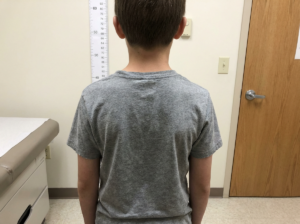
- One shoulder or shoulder blade is higher than the other.
- The head appears not to be centered over the body.
- One hip is more prominent or higher than the other.
- The waist appears to be uneven.
- The rib cage looks lopsided, or one side sticks out more than the other.
- In some cases, scoliosis can lead to chronic back pain.
How Scoliosis is Diagnosed and Treated
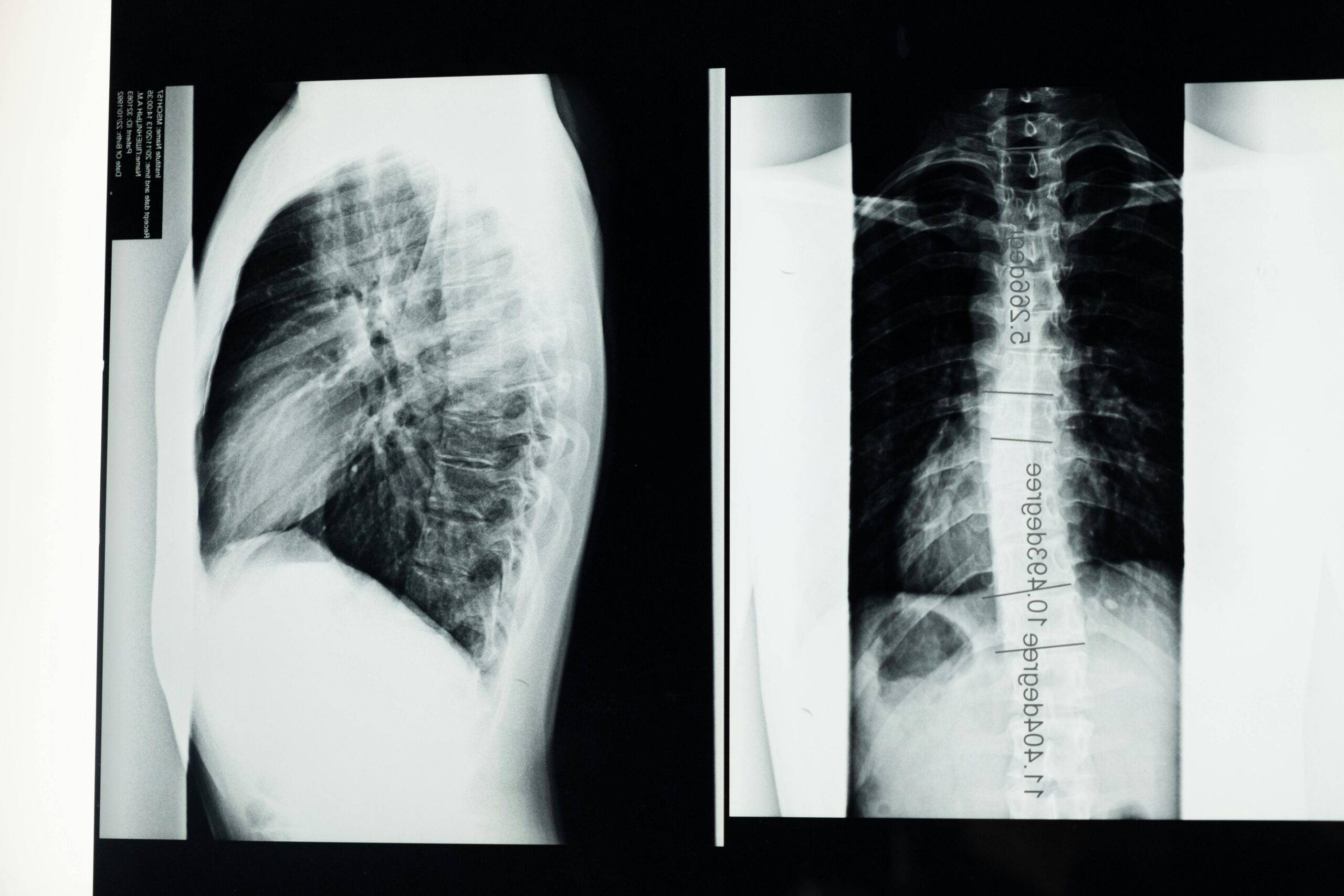
If a doctor suspects scoliosis, they will perform a physical exam and likely take an X-ray to confirm the diagnosis. The X-ray allows them to measure the angle of the curve.
Based on the severity and age of the patient, treatment can vary. For mild cases, doctors often recommend simple observation to see if the curve progresses. For moderate cases, a brace may be used to prevent the curve from getting worse. In more severe cases, surgery might be necessary. In all cases, physical therapy is a powerful tool to manage symptoms, strengthen muscles, and improve posture.Scoliosis can feel intimidating, but it is a manageable condition. If you’re looking for scoliosis clinics in West LA or want to learn more about a personalized management plan, you can visit our clinic or book an appointment for a consultation.