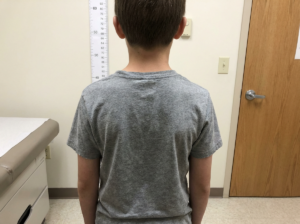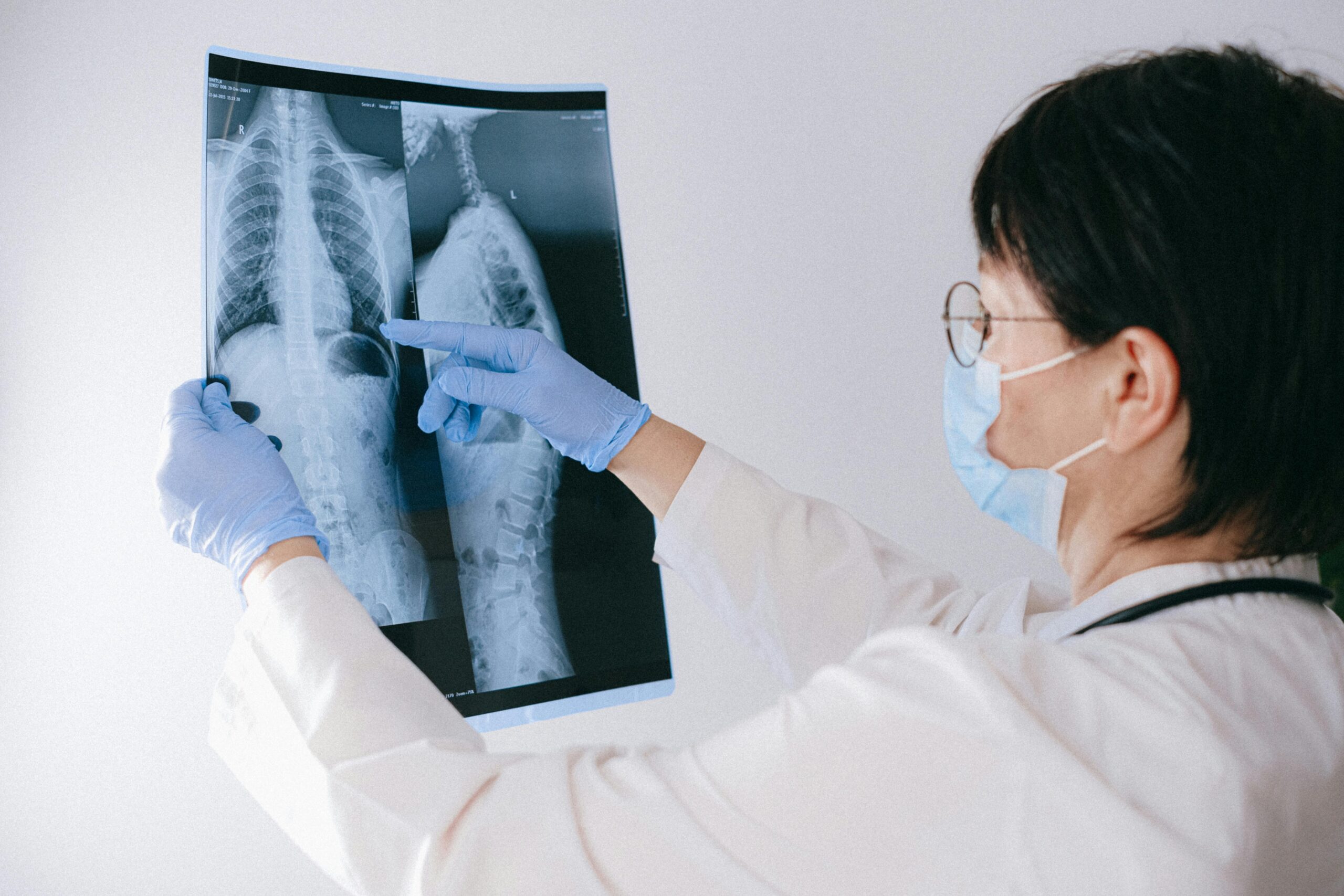
Is Scoliosis Hereditary? Understanding the Genetic Link and Family Risk
If you have scoliosis, or if your child has just been diagnosed, one of the first questions you ask is often directed inward: Is scoliosis hereditary? You want to know if you passed it down or if your child is at risk.
It’s a very common question. It’s also a complex one to answer with a simple yes or no. The connection is strong, but it’s not guaranteed.
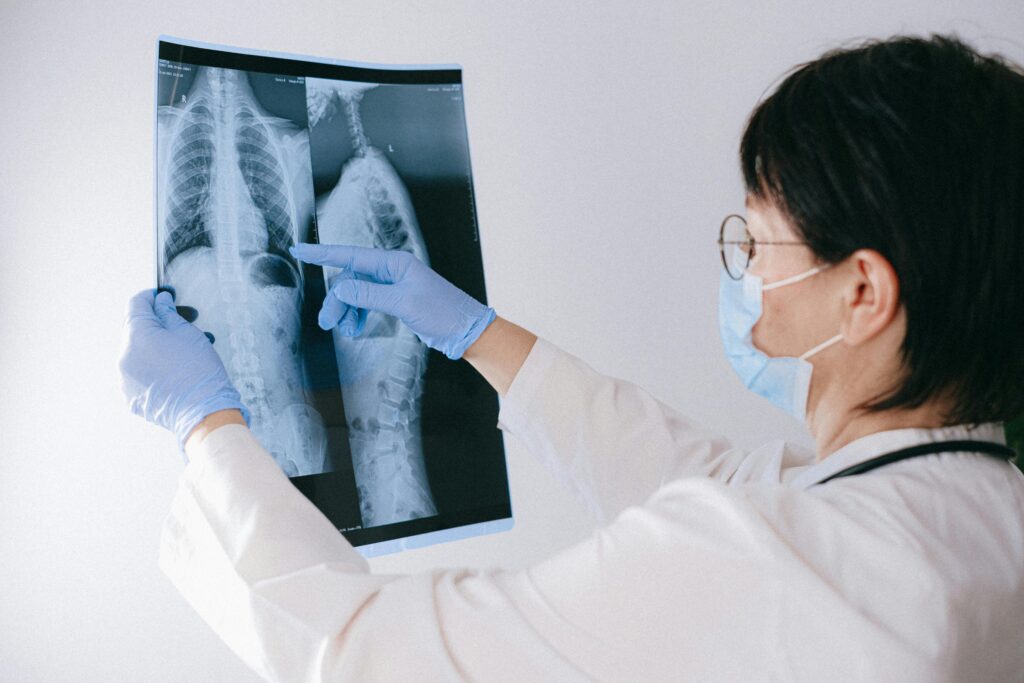
The Genetic Connection
The most common form, idiopathic scoliosis, does not follow simple inheritance rules. We don’t have a single “scoliosis gene” that immediately guarantees the condition. You can’t test for it like you can for eye color.
However, the condition does appear to run in families. If one person in a family has scoliosis, other family members have a higher chance of developing it compared to the general population. It’s more of a tendency or a predisposition than a direct inheritance. Researchers believe a combination of multiple genes and environmental factors are involved in triggering the curve.
Why Genetics Matter for You
If you have a family history of scoliosis, this connection is important because it changes how you approach monitoring and prevention.
- Early Screening: We highly recommend regular screening for children who have a close relative with the condition. Since the curve is driven by growth, early detection is critical for successful management. The earlier we find it, the more effective treatments like bracing and physical therapy become.
- Risk Assessment: Knowing the family history helps us determine the level of risk. If a child has a small curve and a strong family history of severe scoliosis, we will monitor them more closely than a child with no family history.
- Eliminating Blame: The biggest benefit is eliminating the myth of parental fault. The curve developed due to genetics and growth, not anything the child or parent did wrong.
Our Focus: Active Management
Even if genetics played a role in the curve’s development, your physical therapy treatment plan remains the same. We focus on managing the body you have now.
Our treatment approach is active:
- Build Your Internal Brace: We use specific, targeted exercises to strengthen the muscles that support your spine. This creates stability.
- Improve Asymmetry: We use specialized methods to address the muscle imbalances caused by the curve.
- Enhance Posture: We teach you or your child how to actively hold a more corrected posture throughout the day.
Genetics may explain the curve, but your dedication to physical therapy controls your future quality of life. We empower you to take charge of your spinal health.If you have a family history of scoliosis and want an expert assessment for yourself or your child, we are here to help. Schedule a consultation at our scoliosis clinic in West LA today.