What Are the First Signs of Scoliosis in My Child? Early Detection Guide
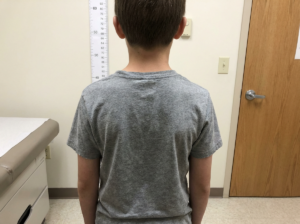
If you’re a parent, it’s natural to worry about your child’s posture. Scoliosis often develops subtly, which can make it hard to spot. It’s frequently discovered during a growth spurt, often between the ages of 10 and 14. It’s vital to spot the early signs of scoliosis.
Early detection is absolutely critical to effective management. Knowing what to look for can ensure your child gets the care they need right away, potentially avoiding more aggressive treatments later.
Signs to Look for at Home
Because scoliosis is rarely painful in its early stages, the signs are usually visual asymmetries in the body. Look at your child’s posture when they are standing relaxed.
- Uneven Shoulders: Look to see if one shoulder is noticeably higher or appears to stick out more than the other.
- Uneven Hips: One hip may appear higher or more prominent than the other. A subtle sign is clothing—like shirt hems or skirt waistbands—hanging unevenly.
- Asymmetrical Waistline: The creases at the waist might look deeper on one side than the other.
- Head Alignment: The head may appear not to be perfectly centered over the pelvis. The body seems to lean slightly to one side.
- Uneven Ribs: This is a key sign of the rotational component of the curve.
The Adam’s Forward Bend Test
This simple test is often used in school screenings. It is the best way to reveal the spinal rotation caused by scoliosis. You can easily perform this check at home.
- Ask your child to stand with their feet together.
- Ask them to slowly bend forward at the waist. Their arms should hang down naturally.
- Look at their back from behind. If you see one side of the upper back (rib area) or lower back sticking up higher than the other, this is a strong indicator of rotation and a possible curve. This is sometimes called a rib hump.
What to Do Next
If you notice any of these signs, don’t panic. But don’t ignore them either. The next step is a professional evaluation.
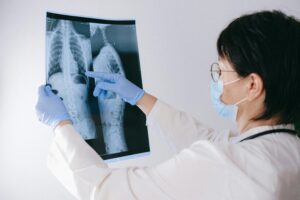
A physical therapist or doctor can perform a detailed physical exam. We will often recommend an X-ray to confirm the diagnosis and measure the curve using the Cobb angle. This number tells us the severity.
If a curve is present, we start a personalized management plan immediately. Early intervention is crucial for slowing or stopping progression. Our plan will focus on physical therapy to strengthen the muscles that stabilize the spine and improve posture.If you have concerns about your child’s posture or suspect scoliosis, schedule a consultation at our scoliosis clinic in West LA today. We are here to provide clear answers and expert guidance.